On Tuesday, November 10, 2026, the Massachusetts Health Policy Commission (HPC) hosted its 14th annual Health Care Cost Trends Hearing, titled The Affordability Imperative: Securing a Sustainable Health Care Future. Materials from the hearing, including a recording of the full event, are available on the HPC's website.
The 2026 Health Care Cost Trends Hearing brought together industry leaders, policymakers, clinicians, and community members to reflect on the policy reforms necessary to advance the Commonwealth’s health care affordability, access, and equity goals, including the recommendations put forth by the Healey-Driscoll Administration’s Health Care Affordability Working Group (HCAWG).
The hearing focused on the critical importance of advancing bold, comprehensive health care policy reform in the Commonwealth in the face of rising health care costs and threats to access and coverage.
Opening Remarks
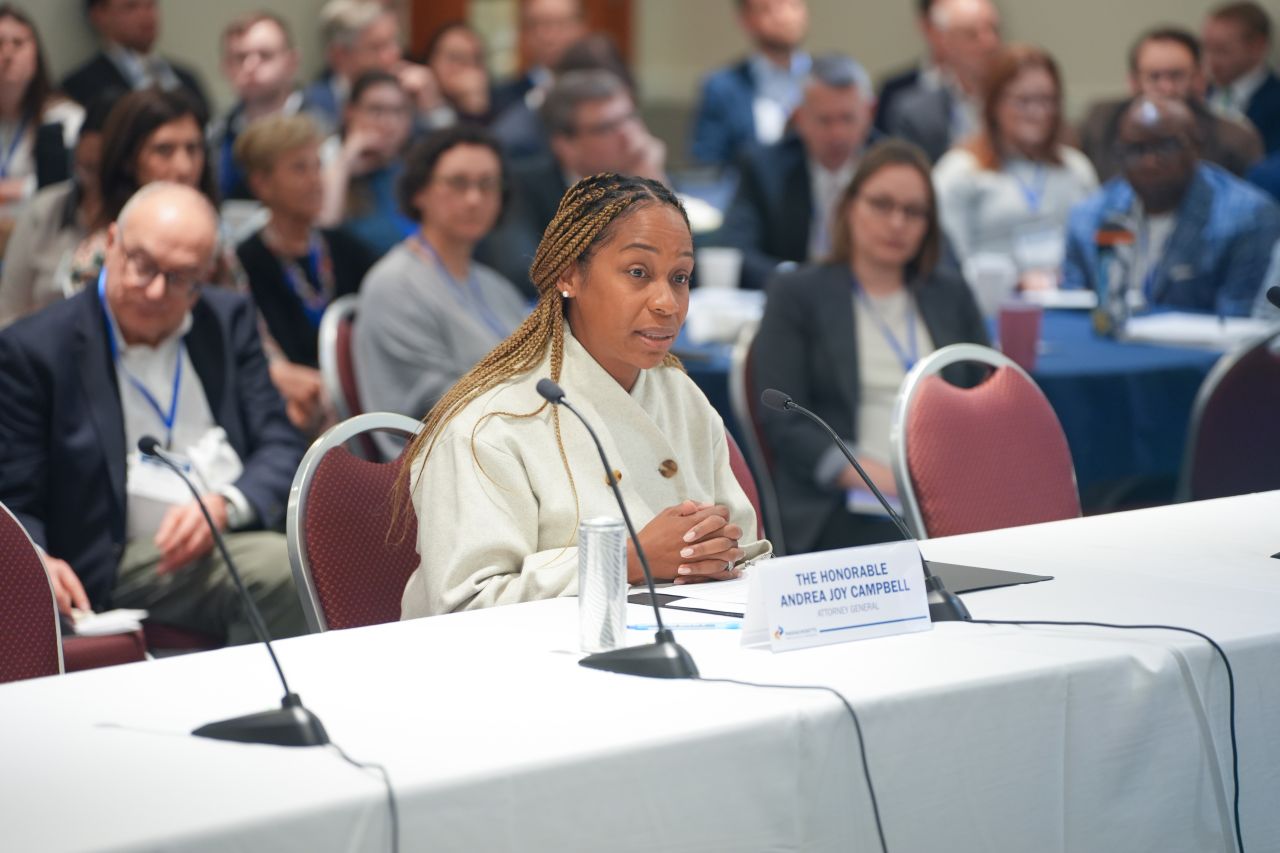 Attorney General Andrea Joy Campbell acknowledged the dual challenges of rising health care costs and access barriers that Massachusetts residents face and noted the particular burden for vulnerable populations. She described how residents in Massachusetts and across the country are forced to make difficult choices to balance household expenses, including stretching medications by splitting pills, foregoing certain prescriptions, or choosing between paying for essential needs like rent and groceries and covering medical bills.
Attorney General Campbell shared the ongoing work of her office to protect residents in light of these threats to health care access and affordability, including recently secured victories in the Meta case which will bring hundreds of millions of dollars into the Commonwealth over the next decade, and ensuring continued Medicaid coverage for vulnerable populations.
Attorney General Campbell noted that another significant challenge for the Massachusetts health care system is the immense pressure primary care is under, and emphasized that continued investment in primary care was a necessary step for the Commonwealth. She shared that the Office of the Attorney General's 2026 Examination of Health Care Cost Trends Report reported disparities in primary care reimbursement rates, and specifically found that disparities in rates increase when including supplemental payments.
The Attorney General closed her remarks with a call for cross-sector collaboration and honest discussions about competing priorities to ensure access to affordable health care for Massachusetts residents, calling back to the collaborative spirit that resulted in the Commonwealth’s landmark health policy reform through Chapter 58.
She urged, “This is the time to take risks and be extremely bold, to pull out all those things you have buried at the bottom of your list that you thought were a little controversial. Go for it.”
Attorney General Campbell’s remarks start at the 1:10:50-minute mark in the recording.
Panels and Presentations
The hearing included five panels – comprised of health care leaders, clinicians, and stakeholders whose work spans the Massachusetts health care system, moderated by HPC commissioners – and two research presentations.
Research Presentation
The Affordability Imperative: From Research to Reform
David Seltz, HPC Executive Director
HPC Executive Director David Seltz shared recent findings on the current drivers of health care cost growth and the implications of health care becoming increasingly unaffordable for residents of the Commonwealth. Director Seltz also discussed the Commonwealth’s efforts to address health care affordability challenges, including the work and mid-year recommendations of the Healey-Driscoll Administration’s Health Care Affordability Working Group. These recommendations focused on investment in the community-based health care workforce, investment in primary care, and reducing costs across the health care system.
Key Findings:
- Health care affordability is the top worry among households across the country.
- Family health insurance premiums in Massachusetts have grown from $7,000 per year in 2000 to nearly $30,000 in 2025, among the highest in the country.
- 2025 premiums exceeded $41,000 for 10% of families.
- Including out-of-pocket spending, the average cost of health care for a Massachusetts family exceeded $34,000 in 2025 annually, or $2,846 per month.
- Health care costs greatly exceed housing costs in some regions of Massachusetts, particularly Western Massachusetts, and health care in Massachusetts is least affordable on the Cape and in the central and western parts of the state.
This presentation begins at the 1:31:02-minute mark in the recording. The presentation slides (slides 4-22) are available on the HPC’s website.
Panel 1
Beyond the Numbers: Real World Perspectives on Health Care Challenges
Moderated by HPC Commissioner Sandra Cotterell
 Purpose:
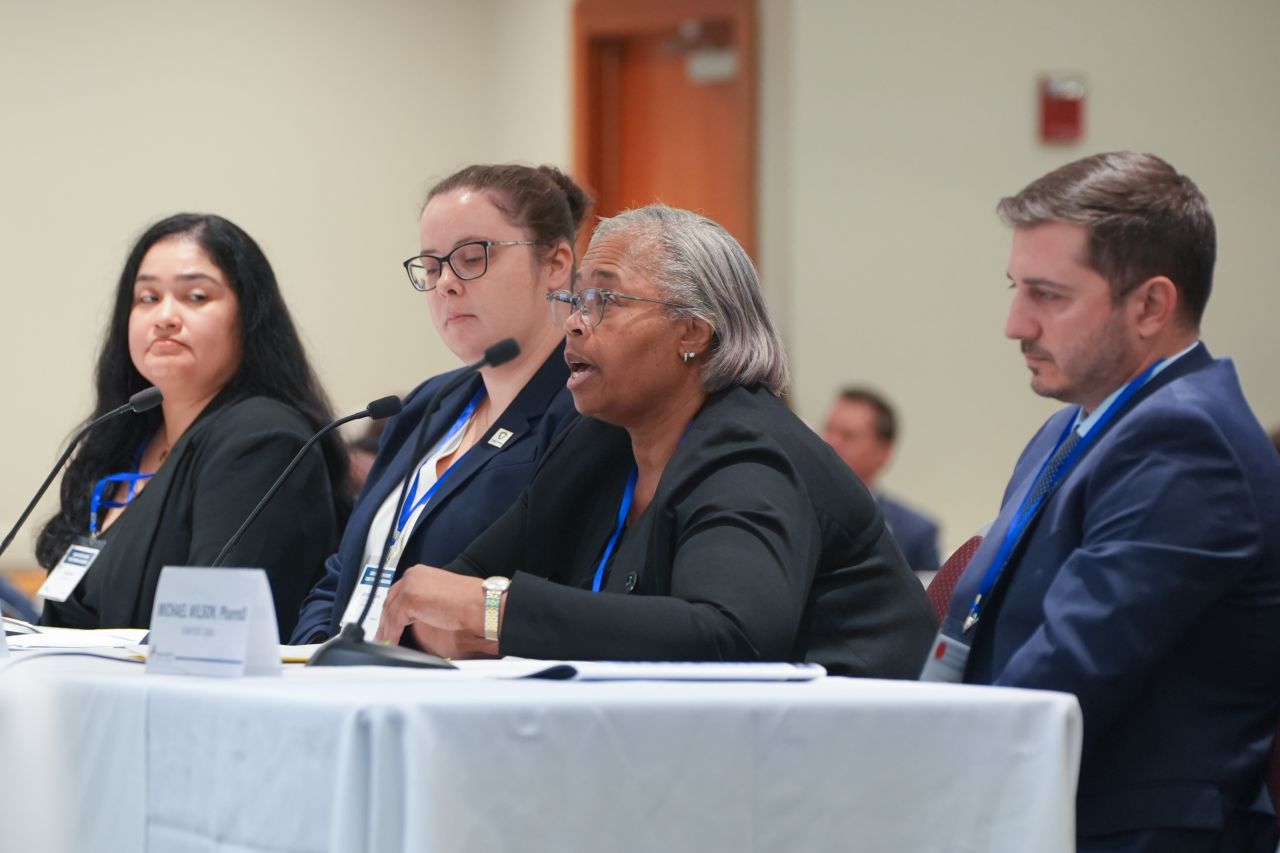
The first panel of the day was comprised of individuals from across the Commonwealth sharing personal perspectives on the real-world impact of health care affordability, access, and equity challenges. This panel helped frame the discussions throughout the day and opportunities to advance policy solutions to address these dynamics.
Panelists were asked to prepare a testimonial of their experiences as individuals, business owners, health care professionals, and community leaders, and the challenges they have faced or witnessed with accessing and affording high quality, equitable health care. Panelists utilized this time to reflect on root causes and potential solutions to the challenges they have seen in their communities.
Participants:
- Leslie Diaz, Director, HelpLine and Public Programs, Health Care For All
- Mimi Gardner, MPH, MA, Vice President and Chief of Community Partnerships and Health Impact, NeighborHealth
- Victoria Selser, Epidemiologist, City of Fitchburg Health Department
- Michael Wilson, PharmD, Pharmacist and Owner of Crawford Drug, President of the Board, Massachusetts Independent Pharmacists Association
Key Themes:
- Health care access in Massachusetts has been declining, and this has intensified in the last year. The panelists emphasized that challenges faced by members of their community have been exacerbated by changes in eligibility, rising costs of care, fear due to immigration enforcement, and an increasing cost of living as a result of federal policy action.
- There is a disconnect between the highly ranked health system in Massachusetts and the experiences of actual patients in accessing care. It is important to engage communities and uplift the patient voice when working to address the affordability crisis, and measure success not only by spending growth but by whether patients can afford premiums and navigate the complex health care system.
- Many Massachusetts residents would benefit from resources to help them navigate the health care system and access care tailored to their needs. For example, there is a need for educational resources aimed at helping residents better understand changing Medicaid eligibility requirements.
- The affordability challenge should be treated as a crisis. Patients being unable to access and afford care can lead to delayed care, increased emergency service utilization, and significant impacts on health outcomes.
Notable Comments:
Leslie Diaz shared that rising health insurance premiums are leading to gaps in coverage. She emphasized that affordability challenges do not just apply to the uninsured, as patients experience high out-of-pocket costs that may make their care unaffordable regardless of their coverage status. She said, “We need bold solutions that address underlying drivers or costs and to measure success not only by slowing spending growth, but by whether people can afford premiums and navigate the system.”
Mimi Gardner said that even when patients remain eligible for care, misinformation and fear can lead people not to get the care that they need. She also emphasized the importance of the social determinants of health, and noted that as housing costs are increasing, people are forced to choose between paying rent or paying for their medications. She shared that patients face significant burdens to access care beyond insurance coverage, including navigating transportation, coordinating childcare, and sacrificing work hours and wages.
Victoria Selser said there is a need for a greater focus on public health and prevention and emphasized that investment should start with what happens before a patient even enters the system, through local public health initiatives that emphasize illness prevention and health promotion. She said, “I hope that while working to address costs, we don’t lose sight of the importance of local public health.” She also noted that strengthening access to primary care will save costs in the long run.
Michael Wilson described that independent pharmacies rely on very slim margins to stay in business and noted the reimbursement challenges that small pharmacies face with filling prescriptions under various insurers. He emphasized the role of PBMs and rebates in driving costs up and stated that each level of the system adds administrative complexity and costs that trickle down to the patients. He argued that the system should be simplified by bringing the drug benefit back into MassHealth directly, rather than through ACOs/MCOs.
The first panel begins at the 1:43:57-minute mark in the recording.
Panel 2
A Sustainable Safety Net: Focus on Access, Coverage, and Equity
Moderated by HPC Board Vice Chair Martin Cohen
 Purpose:
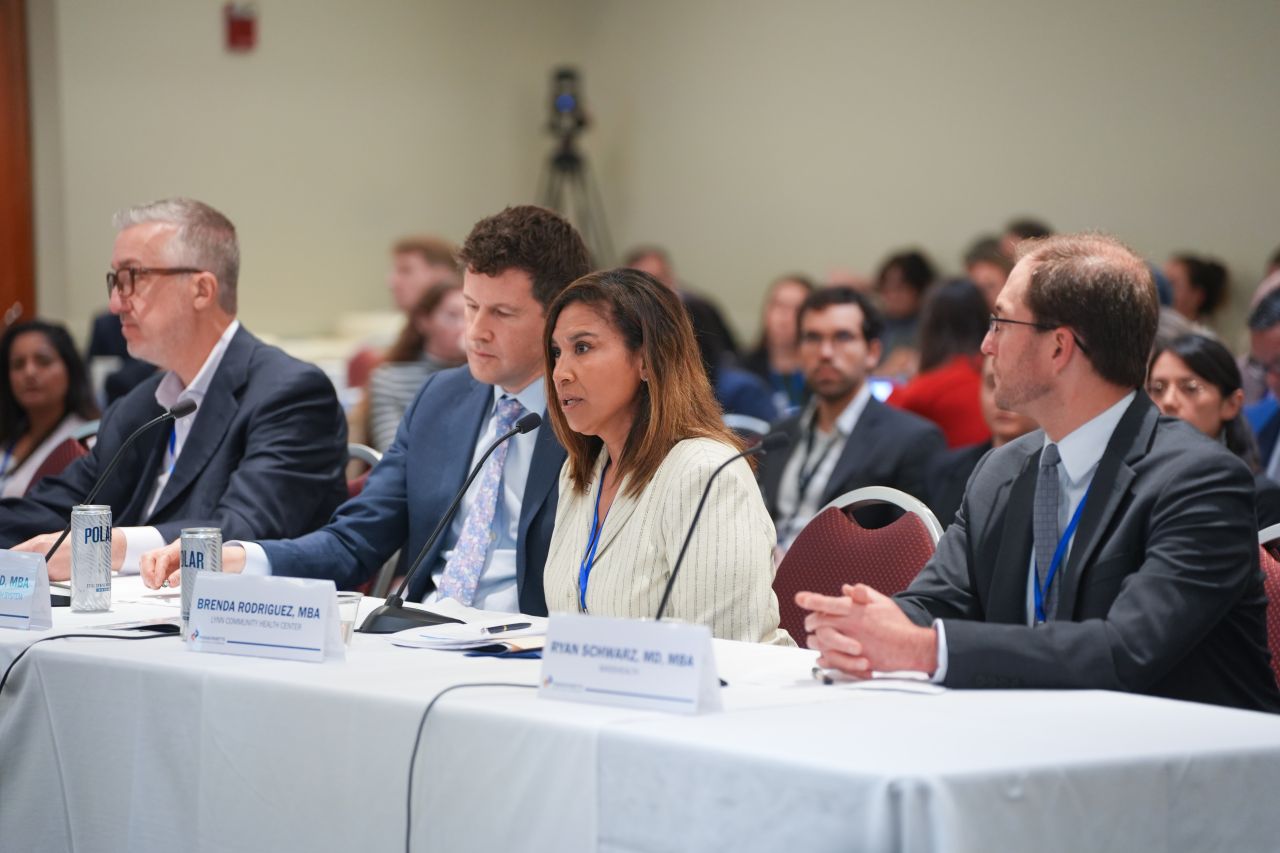
The second panel convened leaders representing organizations that support the Massachusetts health care safety net. The discussion was focused on threats to health care affordability, access, coverage, and equity in light of recent and ongoing federal policy changes and the necessary efforts to work together to mitigate negative impacts.
Panelists were asked to share their perspectives on the challenges posed by recent federal policy changes and provided an opportunity for leaders to reflect on efforts by the Commonwealth to improve health care affordability, access, coverage, and equity, including the recommendations announced by the Healey-Driscoll Administration’s Health Care Affordability Working Group (HCAWG) in August 2026 aimed at investment in the community-based health care workforce, investment in primary care, and reducing costs across the health care system. Panelists will be asked to reflect on the opportunity to leverage the state’s upcoming request to extend the CMS 1115 Demonstration Waiver to improve care and access for MassHealth patient populations.
Participants:
- Peter Banko, President and CEO, Baystate Health
- Alastair Bell, MD, MBA, President and CEO, Boston Medical Center Health System
- Brenda Rodriguez, MBA, CEO, Lynn Community Health Center
- Ryan Schwarz, MD, Massachusetts’ Medicaid Director and Assistant Secretary for MassHealth
Key Themes:
- Significant structural threats for the safety net and safety net providers are price inadequacy and a misalignment in the funding mechanism. Safety net providers do not have the bargaining power to negotiate higher reimbursement and lower prices for infrastructure; this requires government intervention.
- Increasing need for transparency of costs for patient services and costs of technology.
- Need for improved coordination around continuity of care especially given lapses in patient coverage from Medicaid eligibility changes.
- The upcoming 1115 CMS Waiver should serve as an opportunity to maximize funding for Medicaid and develop other solutions to mitigate the anticipated effects of federal Medicaid cuts.
- Continued oversight and protection of “hole-filler programs” such as 340B, supplemental payments, the rural health transformation fund, and site neutral payments are important for the safety-net.
Notable Comments:
Peter Banko emphasized the need to radically change the financing model and then adjust the care model, including by leveling payment, getting to global payment, and, ultimately, ensuring an adequate margin among all providers. He said, “The biggest structural threat is price inadequacy. Affordability and price adequacy are not tradeoffs, and the issue isn’t utilization.” He said that affordability problems are structural and noted that the Commonwealth needs to focus on structural changes, not “around-the-edge” changes.
Dr. Alastair Bell discussed the high pressure on safety net hospitals and far-reaching impact of federal funding change. He said there needs to be more transparency around the costs of providing services in facilities and cost of technology, and system-wide behavioral change and more conversations around transparency of costs and services that patients need. He emphasized that a patient could have functional health care coverage but not get access to care if providers do not have a sustainable financial model.
Brenda Rodriguez said that the biggest threat to the sustainability for the healthcare safety net right now is a misalignment in the funding mechanisms and emphasized that there cannot be a health care safety net if providers are not protected. She said, “The commercial rate disparities show us that [safety net providers] require protection around that. It takes rate parity. We must protect health safety-net providers and ensure there is no erosion in the 340B program.” She shared that because of this funding misalignment, community health centers are sacrificing investments in workforce and technology.
Dr. Ryan Schwarz said the most important priority for MassHealth and the next 1115 CMS waiver is maintenance of coverage, and that coverage is inclusive of health care financing, stability, and care. He shared that MassHealth is diligently working to renew every eligible resident and using volunteer work to fulfill new work requirements. He emphasized that MassHealth is interested in considering payment reform, such as implementation of a hospital global budget and performance-based incentives to improve quality and to stabilize health safety net.
The second panel begins at the 2:37:54-minute mark in the recording.
Panel 3
The Right Care in the Right Place: Innovative Partnerships for Better Outcomes and Lower Costs
Moderated by HPC Commissioner Ashley Blackburn
 Purpose:
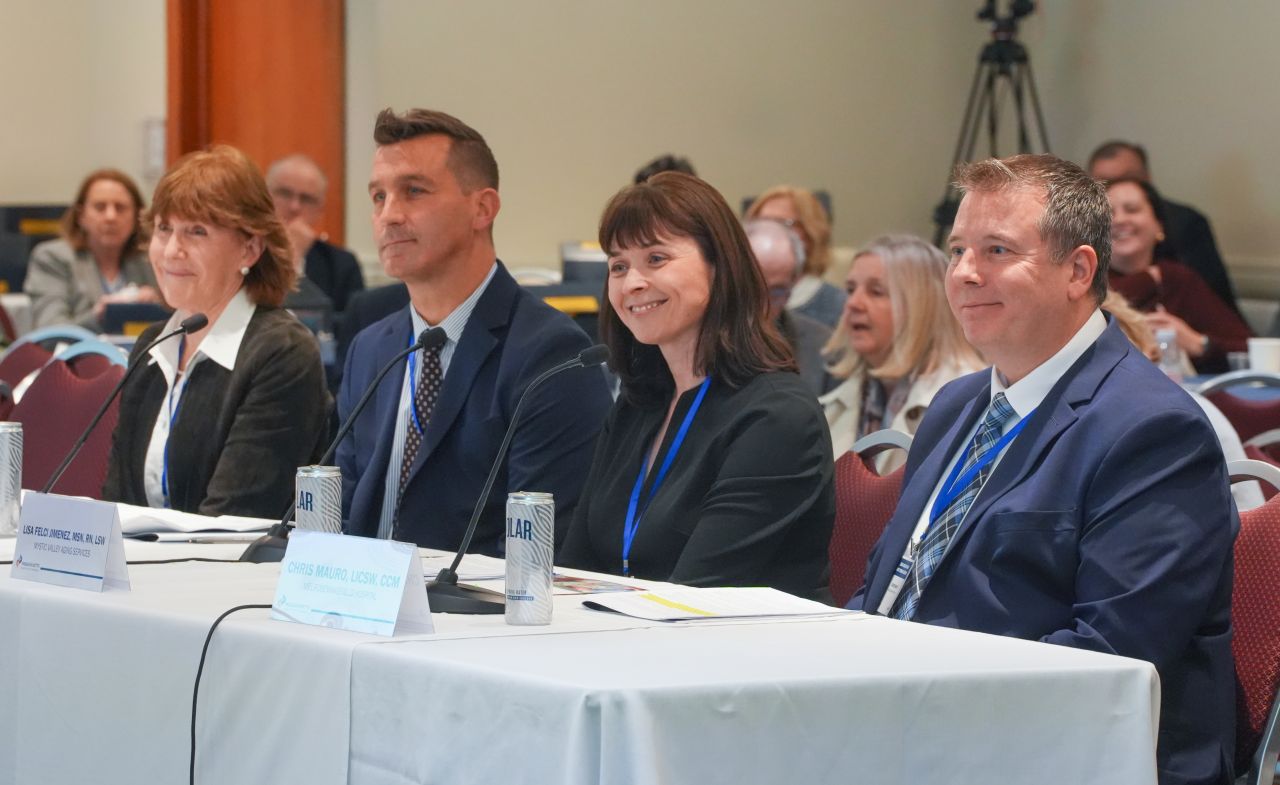
This panel spotlighted two initiatives leveraging partnerships between hospitals and community organizations to better streamline and provide wraparound care services for patients in the Commonwealth. The panelists will discussed the design and implementation of these programs, the benefits for patients and the organizations, and limitations or barriers to sustainable success and expansion.
As background, Mystic Valley Aging Services and MelroseWakefield Hospital are grant recipients through the HPC’s Promoting Appropriate Transitions to Home (PATHways) Investment Program. The PATHways program supports acute care hospitals in Massachusetts to advance hospital-to-home programs, streamlining patient discharges back to their homes and communities rather than into skilled nursing facilities or other institutional settings. MelroseWakefield partners with Mystic Valley Aging Services to support the transitions of patients back home following a hospital stay and connect them with appropriate services.
Aspire Health and Community Services and South Shore Health partner on Right Care, Right Time, Right Place, a community-based model for behavioral health emergency diversion on the South Shore. Behavioral health patients are routed to community-based crisis and outpatient care — not a hospital emergency department — through law-enforcement diversion, mobile integrated health dispatched through 911, and a designated alternate point of entry for ambulances at Aspire Community Behavioral Health Center (CBHC) in Quincy. This model also relies upon secure, near-real-time data exchanged between Aspire and South Shore Health.
Panelists reflected on the potential for these programs to help address capacity challenges and patient throughput barriers in hospitals while also ensuring the most appropriate care and most appropriate setting for patients.
Participants:
- Susan Coakley, President and CEO, Aspire Health and Community Services
- Will Tollefsen, MD, MBA, MMS, EMS and MIH Medical Director, South Shore Health
- Lisa Felci Jimenez, MSN, RN, LSW, Director of Clinical Services, Mystic Valley Aging Services
- Chris Mauro, LICSW, CCM, Director of Social Work and Case Management, MelroseWakefield Hospital
Key Themes:
- Partnerships with successful programs have intentional alignment and ensure appropriate communication. Misalignment of incentives for each involved party (e.g., behavioral health providers, EMS) and misaligned regulatory processes can impede the best, most cost-effective care for patients.
- Electronic data sharing between entities ensures smoother care transfers and avoids redundant care.
- Patients in behavioral health crisis transported by ambulance should not go to the ER, and patients whose health needs are supported by community resources should not return to the hospital for resources and supports. Directing patients to the appropriate level of care for their needs saves hospitals money, reduces burnout among staff, and reduces staff turnover. Getting patients the right level of care creates capacity in the hospital system.
- The missing link for sustainability in these programs is the right funding going to the right place. It is hard to make the cost case to hospital leadership based on cost-avoidance.
Notable Comments:
Susan Coakley noted that behavioral health workforce issues are pervasive, with chronic shortages and with demonstrated need for payment support. She continued that Master’s-level mental health clinicians are the backbone of the workforce but have high turnover and often go into private practice due to lower compensation.
Dr. Will Tollefsen spoke about the importance of innovative initiatives as a way to address capacity challenges, noting that, “When you’re operating at 120% capacity, things break.” He said that if you can redirect patients to the right care, it is cost avoidant, reduces burnout, reduces staff turnover, reduces equipment breaking, and results in cost savings. He added that partnerships like the one between Aspire Health and South Shore Health are scalable and sustainable and can be utilized across the Commonwealth.
Lisa Felci Jimenez noted that despite program success, they lack data infrastructure to demonstrate program impact, and a statewide system for ASAPs to report on shared data would be helpful. She also shared that patients and families need and expect a warm handoff for care from the hospital into the home or community, and they appreciate site liaisons that meet with patients at their bedside and then help that patient transition to home care. She added this is especially important from an equity perspective, as people who may not have a backup plan for care at home also deserve support and good transitions from hospital to home.
Chris Mauro said that investment in the behavioral health, direct care, and nursing workforces is good for both patients and hospital finances, as having robust community supports allows hospitals to transition patient care to capable people in the community. Having access to community resources and providing those resources to hospital staff ensures that everyone receives care that is seamless from the hospital to the community setting.
The third panel begins at the 4:32:49-minute mark in the recording.
Research Presentation
Data Insights on Health Care Cost Drivers and Dynamics
David Seltz, HPC Executive Director
HPC Executive Director David Seltz shared recent findings on health care cost drivers and dynamics for the Commonwealth’s health care market.
Key Affordability and Cost Drivers Findings:
- Premiums grew 38% from 2019 to 2025 (vs 28% in the rest of the U.S.) and would reach $50,000 by 2032 at recent rates of growth.
- From 2010 to 2025, growth in health insurance premiums (103% cumulative growth for employee premium contribution and 97% for total family premiums) far exceeded growth in household income (68% growth) and inflation (45% growth).
- Total health care spending growth in Massachusetts averaged 3.5% from 2012 to 2019 but has risen to 5.3% from 2019 to 2024.
- From 2022 to 2025, health insurance premiums grew twice as fast (8.3%) as household income (3.9%) in Massachusetts, leaving families with less to spend on other necessities and priorities. This was also true, but to a lesser extent, in the rest of the country where premiums grew 6.2% and incomes grew 4.3%.
This presentation begins at the 5:12:13-minute mark in the recording. The presentation slides (slides 28-35) are available on the HPC’s website.
Panel 4
Responding to Health Care Cost Growth: Trends, Tradeoffs, and Policy Solutions
Moderated by HPC Commissioner Christopher Leibman
 Purpose:
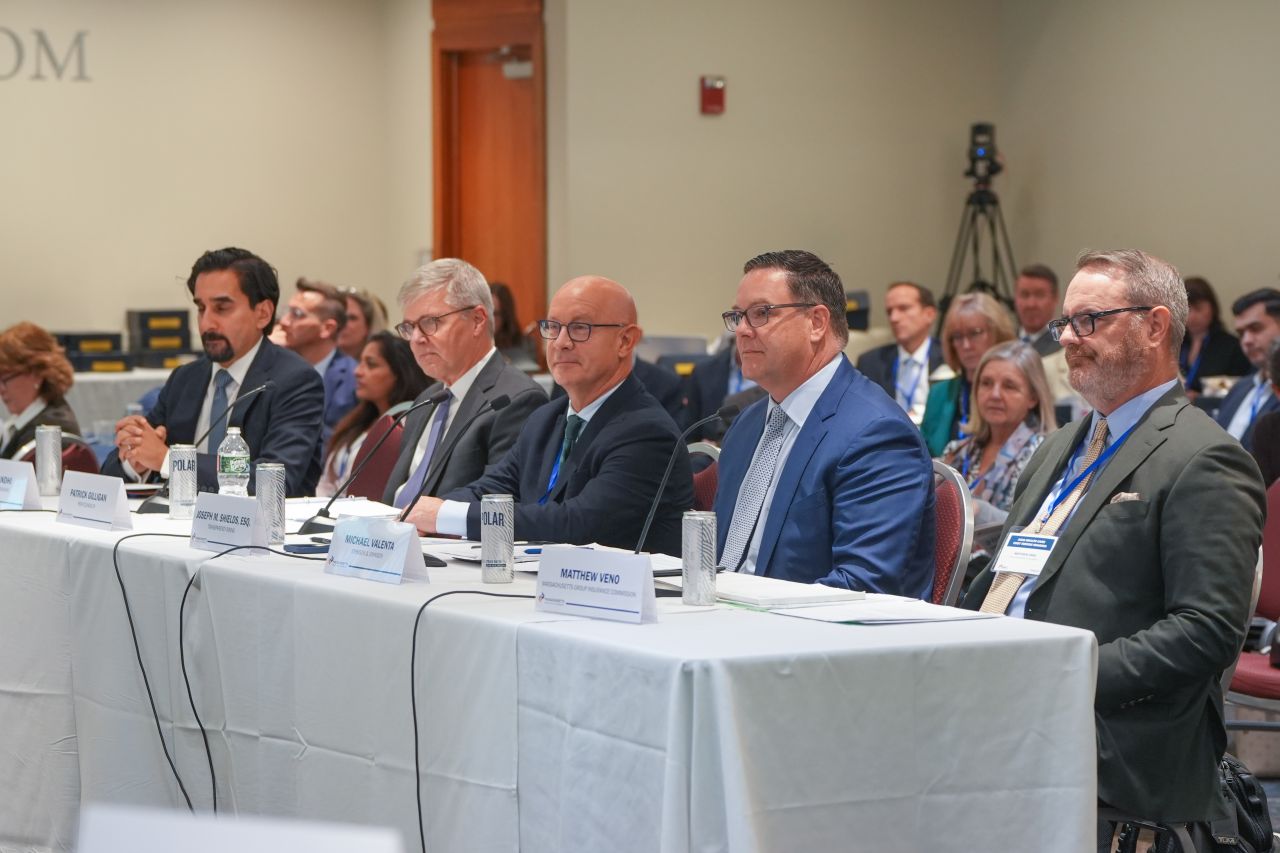
The fourth panel focused on major health care spending trends contributing to cost growth in Massachusetts, including: 1) increasing health care prices; 2) increasing utilization of high-cost services and sites of care; 3) increasing use and price of pharmaceutical drugs and the introduction of new treatments; and 4) the growing role of health care intermediaries in the system (e.g., PBMs, GPOs, MSOs).
Panelists were asked to share their perspective on how their organization balances innovation, value, access, and affordability and to suggest policy solutions and strategies that Massachusetts health care market participants and state policy makers should pursue. Panelists reflected on policy recommendations released by the Healey-Driscoll Administration’s Health Care Affordability Working Group (HCAWG) in August 2026, including recommendations to leverage state purchasing power to lower prescription drug costs and reduce costs across the health care system. Panelists from each sector were asked to explain what they can do differently, how they are willing to change, and where they support a more active role for state policymakers.
Participants:
- Niyum Gandhi, Chief Financial Officer and Treasurer, Mass General Brigham
- Patrick Gilligan, President and CEO, Point32Health
- Joseph Shields, Esq., CEO, Transparency Rising
- Michael Valenta, Chief Strategic Customer Officer, Johnson & Johnson
- Matthew Veno, Executive Director, Massachusetts Group Insurance Commission
Key Themes:
- Stakeholders highlighted continued misaligned incentives that exacerbate affordability issues (e.g., FFS payment structures incentivizing more utilization and higher intensity, growth or rebates increasing gross costs for patients). Panelists called for “bold” action from government to re-align incentives around providing high-quality care centered around patients.
- Panelists reported the following drivers of health care spending growth: spending on prescription drugs, inflation, patient acuity (real or reflected through coding intensity), and the “stickiness” of fee-for-service dynamics.
- There was discussion surrounding ways payers, providers, and the government can assess value and quality when discussing the need to promote high-value and high-quality care, including discussion of creating a prescription drug affordability board in Massachusetts, expanding the HPC’s drug pricing review authority to payers other than MassHealth, and aligning quality measures across payers when engaging in value-based payment and providing quality incentives to providers.
- Panelists discussed topics explored by the Health Care Affordability Working Group, such as reducing low value care/promoting value-based care, changing prescription drug purchasing, supporting primary care by changing payment structures, and improving data sharing/championing transparency.
Notable Comments:
Niyum Gandhi noted that while some cost growth is due to “waste,” other things that are driving cost growth, such as high-cost drugs and procedures, are leading to better outcomes, and work will need to be done to identify which are which. For physicians, there is a financial incentive to do “X,” but the higher value thing is to do “Y.” Physicians would like to do “Y,” but we need to find a way to remove “X.” One example of this is removing incentives for low value care and creating sustainable payment models for high value care.
Patrick Gilligan voiced concern about reforms that only address one aspect of fee-for-service payments, as these reforms may lead to unintended consequences elsewhere. He said that global budgets would be a solution for different and aligned incentives. He added, “Industry can do some [reform] on their own, but we need some help from the Commonwealth to get there.”
Joseph M. Shields stated that the ratio of a drug list price and rebates should be inverted. However, when rebates went up, prices went up as well, suggesting that this business model of the pharmaceutical industry is not serving patients and health plans in the way they promised.
Michael Valenta argued that while money is entering the system through rebates, it is not clear that this money is being “passed on to patients” in the form of lower cost sharing or premiums. He added that it does nothing for the patient if there is innovation in drug development or care if patients cannot access it.
Matthew Veno urged bold government action to re-align incentives around providing high quality, patient-centered care. He said, “If the objective is to create meaningful savings, the government needs to set the expectation for what that savings is. I think we have to acknowledge that our historic reliance on market dynamics to produce prices that reflect value and that are efficient is not going well. That alone would suggest a greater role for government.”
The fourth panel begins at the 5:23:55-minute mark in the recording.
Panel 5
A Call to Action: A Leadership Agenda for Health Care Affordability
Moderated by HPC Board Chair Deborah Devaux
 Purpose:
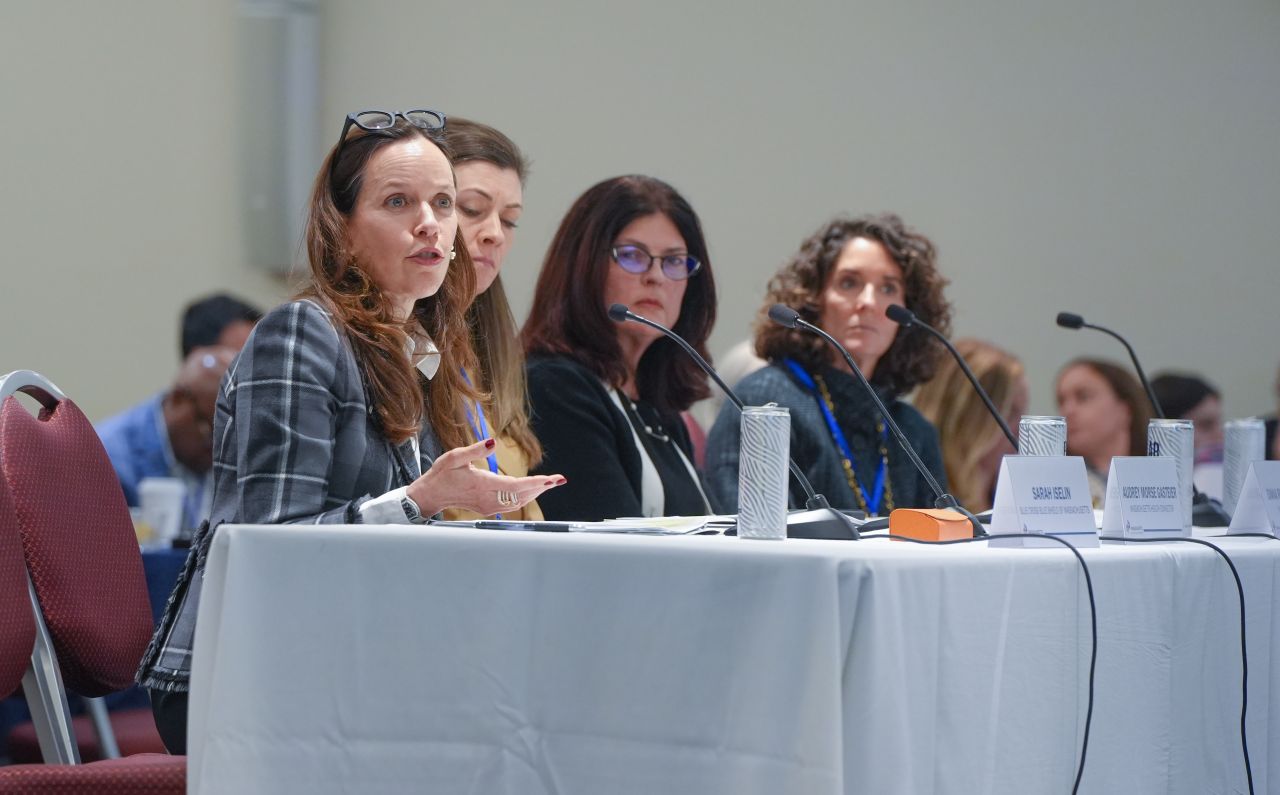
The final panel of the day brought together health care system leaders to discuss the significant issues facing the Commonwealth’s health care system. It provided an opportunity for panelists to reflect on how health care organizations and government can work together to address these challenges, particularly growing affordability challenges.
Panelists addressed the crisis of health care affordability, access, and equity facing Massachusetts and the need for shared accountability and collaborative action. Panelists were asked to reflect on the impact of these health care challenges on patients, employers/employees, communities, and members, while acknowledging the ongoing threats to the stability of our primary care system, the sustainability of the health care safety net, and likely coverage loss due to impending federal policy changes.
Panelists were asked to discuss the Healey-Driscoll Administration’s Health Care Affordability Working Group (HCAWG) policy recommendations published in August 2026, including their organization’s efforts to advance the recommendations and considerations for additional policies that may be necessary to further advance the Commonwealth’s health care affordability, access, and equity goals.
Participants:
- Sarah Iselin, President and CEO, Blue Cross Blue Shield of Massachusetts
- Audrey Morse Gasteier, Executive Director, Massachusetts Health Connector
- Diana Richardson, President and CEO, Merrimack Health
- Christina Severin, President and CEO, Community Care Cooperative (C3)
Key Themes:
- Solutions should not be limited to one segment of the market, as piecemeal change that focuses on individual market segments only puts pressure on the rest of the market.
- Individual organizations are working to reduce health care costs, but government-driven, system-level change is needed to make an impact.
- Supporting safety net providers is key to lowering health care costs, and it needs to be made clear to residents that they can be appropriately cared for in these settings.
- Data exchange throughout the health care system is a specific priority that can significantly impact patients and providers alike in achieving a more affordable system.
- OB3 impacts will negatively impact the health care system, aside from the tens of thousands of people who will lose coverage. This will result in a decrease in patients seeking preventative care, resulting in more patients coming into the ER to treat problems that may have been identified during a routine well visit. Patients will get sicker and will need longer hospital stays, resulting in more beds filled and less capacity.
Notable Comments:
Sarah Iselin said that state government must play a stronger role to address underlying health care costs, as the private market will not solve cost issues on its own. She specifically referenced establishing global budgets with a cap on price increases for providers, a mandated statewide data exchange for payers and providers, and enforcing automatic penalties for the state health care cost growth benchmark.
Audrey Morse Gasteier noted that the One Big Beautiful Bill Act (OB3) introduced categorical recissions of financial support for targeted groups who are lawfully in the U.S., and that about 70,000 people lost ACA subsidies in the Health Connector alone. This is a major blow to the progress the Commonwealth has made in expanding coverage, particularly for the populations Massachusetts worked hardest to get coverage for. She added that the risk pool composition will be older and sicker, leading to more strain on the system overall.
Diana Richardson emphasized that we must stabilize safety net providers, especially ahead of the impending cuts to Medicaid funding and changes to eligibility requirements. She said, “Without any changes at the statewide level, [January 1st will be] a death knell for many of the safety net providers, because so many of our patients will now completely fall into the category of no coverage, deferring care, coming into the emergency room. We won’t be able to afford to care for them, and yet we can’t not care for them… It won’t be sustainable for months. I mean we’re not talking years. It will come to a head pretty quickly.”
Christina Severin said that in the commercial market space, health centers experience the opposite of the market, as they rely on the fee schedule, total cost of care, shared savings, the prospective payment system (PPS) to make ends meet. She emphasized that commercial payments are far below what it costs to provide a unit of primary care, a unit of behavioral care, or a unit of dental care. She highlighted the MassHealth ACO program as an example of a program that reduces costs while working well for both providers and the state.
The fifth panel begins at the 6:45:45-minute mark in the recording.
Testimony
In advance of the hearing, 57 entities were required to submit pre-filed written testimony, responding to questions from the HPC and the Office of the Attorney General. The entities included 25 provider organizations, nine health plans, 10 pharmaceutical manufacturers, four pharmacy benefit managers (PBMs), four significant equity investors (SEIs), one real estate investment trust (REIT), and four management services organization (MSOs).
The full text responses from all 57 organizations, in addition to a summary of themes are available on the HPC’s website.
The HPC also accepted oral and written testimony from members of the public. During the hearing, oral testimony was provided by:
- Dr. Wayne Altman, Founder, Massachusetts Primary Care Alliance for Patients
- Lora Pellegrini, President and CEO, Massachusetts Association of Health Plans
The oral public testimony can be found at the 7:42:16-minute mark in the recording, and the written public testimony received by the HPC is posted on the testimony webpage.
Reflections and Discussion
The HPC Board of Commissioners shared reflections and key takeaways from the panel discussions and the consistent themes brought up throughout the hearing.
Key Themes:
- There was a notable call among many health care leaders for urgent government action on health care affordability and access, and recognition that if left to the private market, broad change cannot happen. There is need for government to engage transparently with stakeholders, and an understanding that ultimately collaborative commitment across the system is needed to address affordability and access challenges.
- Improved data interoperability would be beneficial across the health care system and helpful to patients.
- Consensus of support expressed for both global budgets and primary care investment.
- Safety net providers are at a significant risk, and more attention is needed to protect these critical resources for residents.
- Panelists spoke with candor and a collaborative spirit about the imperative to act on affordability and sustainability.
The Commissioners’ reflections and discussion begin at the 7:55:26-minute mark in the recording.